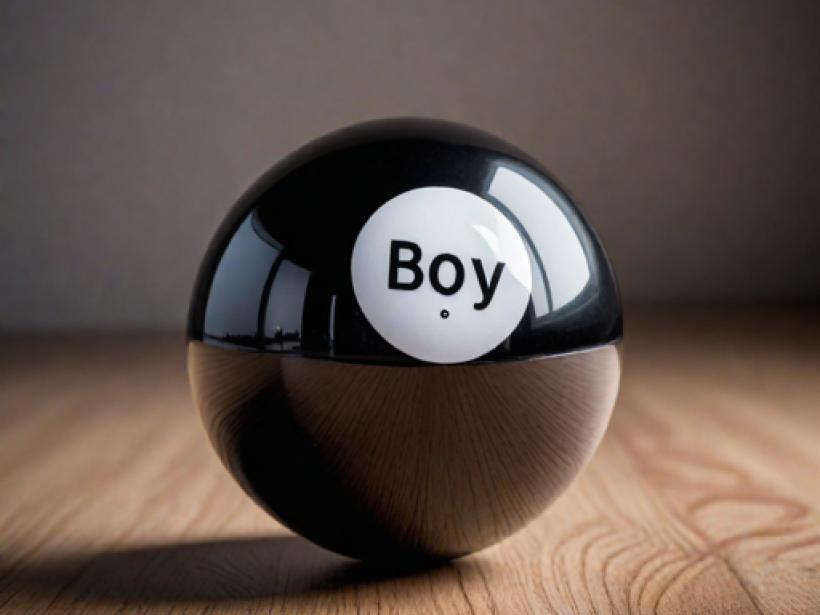

The Magic 8 Ball has exactly twenty answers, printed on a twenty-sided die floating in dark blue liquid. Ten are positive, five are non-committal, five are negative. Once you know the split, the humour of the thing becomes clearer: five of your twenty possible outcomes are the toy refusing to answer.
The three groups
- Positive (10 of 20). Flat agreement and cheerful certainty, from a plain yes to "without a doubt". Half of every shake lands here, which is why the ball has a reputation for being encouraging.
- Non-committal (5 of 20). The comedy tier. "Reply hazy, try again", "Better not tell you now", "Concentrate and ask again". A quarter of the time the toy stalls, and it is funnier the more serious your question was.
- Negative (5 of 20). Blunt refusals, including the famously discouraging "Outlook not so good" and "Don't count on it".
Why the evasive ones land best
Ask a silly question and get a firm yes, and it is a one-line joke. Ask something you actually care about and get told the reply is hazy, and it turns into a small comedy about wanting certainty from a plastic ball. Office desks are full of these things for that reason, and the running gag of shaking it repeatedly until the answer improves is older than most of the people doing it.
The odds are worth knowing if you plan to keep shaking: with 10 positive faces out of 20, the chance of at least one yes in three shakes is about 88 percent. The ball is generous.
How people actually use it
Mostly for questions where they already know the answer and want an excuse, which is a legitimate use. A random prompt breaks a deadlock and tells you something about your own reaction: relief at a yes, argument with a no. That is the same mechanism behind flipping a coin, and it works.
Where it stops being funny is when the ball gets asked about jobs, health or relationships. For those, a random device makes a poor advisor. If you want a structured conversation about a decision, a tarot reader or an astrologer will at least ask you questions back, and you can compare people near you in our directory.
Party questions that work
- Should we order more food?
- Is anyone here going to regret the karaoke?
- Will this group manage to agree on a film?
- Is the host telling the truth about the recipe?
- Should we do this again next month?
Keep them light, keep them fast, and let the vague answers do the work. The toy is at its best when the stakes are zero.