
What Practitioners Mean by Astral Projection
Practitioners define astral projection as an intentional out of body experience. In this tradition, a person's awareness or subtle body separates from the physical form and travels through a non physical environment. Western esoteric traditions, modern energy work, and various spiritual systems describe this non physical environment as a subtle plane of existence. Practitioners view this plane as a space shaped by thought, emotion, and intention. People often confuse astral projection with lucid dreaming. While lucid dreaming involves becoming aware inside a dream, practitioners describe astral projection as a state where your consciousness remains awake while your body enters deep relaxation. Some people report spontaneous out of body experiences during periods of illness, sleep, or physical trauma, while others use specific meditation, visualization, and breathwork techniques to induce the state deliberately.
How an Astral Projection Session Works
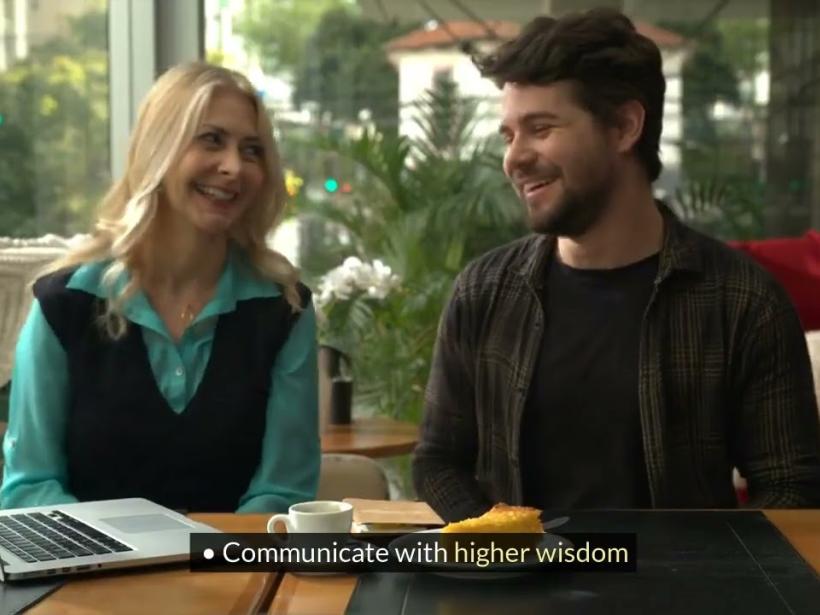
When you book a session centered on astral projection, the practitioner usually acts as a guide, reader, or educator rather than projecting for you. In a guided session, you sit or lie down in a quiet, comfortable space. The practitioner leads you through deep physical relaxation exercises, rhythmic breathing patterns, and focused mental imagery. They aim to shift your mental state into a transitional zone between waking and sleeping, often called the hypnagogic state. During this time, the practitioner provides verbal cues to help you keep your mind clear while your body rests deeply. In a consultation or reading style session, the practitioner reviews your past out of body experiences, helps you interpret symbolic visions, or teaches you individual exercises to practice on your own at home.
What the Practice Can and Cannot Provide
Astral projection offers a subjective framework for exploring personal consciousness, inner imagery, and personal belief systems. Practitioners suggest that the practice helps clients gain fresh perspectives on their daily lives, process subconscious emotional patterns, and lower anxiety around mortality. However, astral projection cannot provide objective physical data. You cannot rely on it to spy on distant physical locations, obtain medical diagnoses, predict legal outcomes, or retrieve financial advice. Traditional teachers emphasize that experiences on the subtle plane reflect the traveler's internal mental state. A vision during astral projection represents symbolic guidance or personal subconscious material rather than verifiable physical reality.
Identifying Responsible Practitioners
A careful practitioner emphasizes safety, psychological grounding, and clear boundaries throughout the process. They explain that you remain in control of your consciousness at all times and that you can return your focus to your physical body whenever you choose. Responsible guides use calm, neutral language and teach you how to ground yourself before and after any mental exercise. In contrast, a careless practitioner uses fear tactics, warns you about bad entities, or claims that your soul might get lost or trapped away from your body. Responsible teachers dismiss these fear based claims as misunderstandings of the practice. Careless guides may also claim complete authority over your spiritual experiences, cross personal boundaries, or promise guaranteed out of body travels in a single appointment.
What to Ask Before Booking a Session
Before you book a consultation or guided session, gather details about the practitioner's background, training, and working methods. Ask them how long they have practiced astral projection and what specific techniques they use during a guided meeting. Inquire about their protocol for grounding if you feel overwhelmed, anxious, or disoriented during the session. You can also ask whether the session focuses on teaching you self directed techniques to use independently or on guiding you through an active visualization. A professional practitioner answers your questions clearly, sets realistic expectations, avoids sensational promises, and respects your comfort level throughout the entire process.